
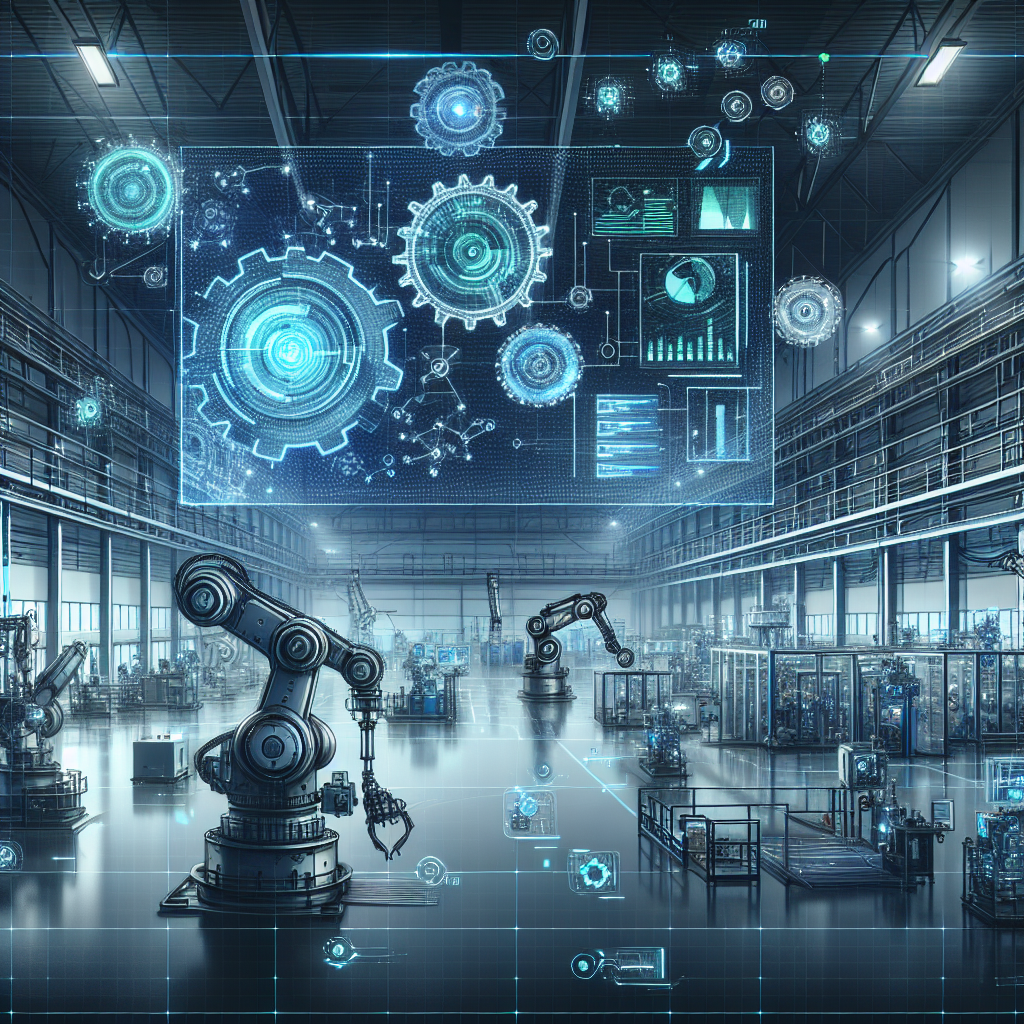
The Growing Importance of Predictive Maintenance in Manufacturing
In the ever-evolving landscape of manufacturing, staying ahead of the game is crucial. 📈 One of the ways manufacturers are gaining a competitive edge is by embracing predictive maintenance. This approach not only saves time and money but also extends the lifespan of machinery, ensuring smoother operations. Let’s dive into why predictive maintenance is becoming a cornerstone in the manufacturing sector.
Table of Contents
1. What is Predictive Maintenance?
2. Benefits of Predictive Maintenance
3. How Predictive Maintenance Works
4. Real-World Examples
5. Conclusion
6. FAQs
What is Predictive Maintenance? 🤔
Predictive maintenance is an innovative approach that uses data analysis tools and techniques to detect anomalies in your operations and potential defects in equipment and processes. It predicts when machinery is likely to need maintenance, allowing for proactive scheduling. This not only prevents unexpected breakdowns but also ensures that maintenance is done only when necessary.
Benefits of Predictive Maintenance 🌟
Implementing predictive maintenance can transform the manufacturing process. Here’s how:
Cost Savings
By predicting failures before they occur, companies can save significantly on repair costs and reduce downtime, which directly affects the bottom line.
Increased Equipment Lifespan
Regular maintenance based on actual wear and tear means your equipment is less stressed and lasts longer, making your investment more worthwhile.
Improved Safety
Predictive maintenance helps in identifying potential hazards before they become serious issues, thereby enhancing workplace safety for all employees.
Enhanced Efficiency
With machinery running smoothly and downtime minimized, productivity naturally increases, allowing for more output with the same resources.
How Predictive Maintenance Works ⚙️
At the heart of predictive maintenance is data. Here’s a simplified breakdown:
Data Collection
Sensors are installed on machinery to collect real-time data on temperature, vibration, noise, and other critical parameters.
Data Analysis
Advanced software algorithms analyze this data to identify patterns and predict potential failures.
Actionable Insights
Based on the analysis, maintenance activities are scheduled only when necessary, ensuring optimal use of resources.
Real-World Examples 🌍
Many industries are already reaping the benefits of predictive maintenance. For instance:
Automobile Manufacturing: Companies like Ford and BMW use predictive maintenance to keep their production lines running smoothly, reducing unexpected downtimes.
Aerospace: Aircraft manufacturers utilize predictive maintenance to ensure the safety and reliability of their fleets, minimizing delays and enhancing safety.
Conclusion
As the manufacturing industry continues to evolve, the importance of predictive maintenance cannot be overstated. Not only does it ensure smooth operations, but it also provides a significant return on investment through cost savings, increased efficiency, and enhanced safety. By being proactive rather than reactive, manufacturers can stay ahead in the competitive market. 🌟
FAQs
What industries benefit most from predictive maintenance?
While all industries can benefit, sectors like manufacturing, aerospace, and automotive see the most significant impact due to their reliance on machinery and equipment.
How expensive is it to implement predictive maintenance?
The initial setup can be costly due to the need for sensors and software. However, the cost is quickly offset by the savings from reduced downtime and maintenance costs.
Can small businesses benefit from predictive maintenance?
Absolutely! Small businesses can see significant benefits, as even minor reductions in downtime and maintenance costs can have a considerable effect on their bottom line.
Is predictive maintenance the same as preventive maintenance?
No, predictive maintenance is more advanced. It relies on real-time data and analytics, while preventive maintenance is based on routine checks and schedules.