
The Future of Customer Service with AI Technologies 🤖
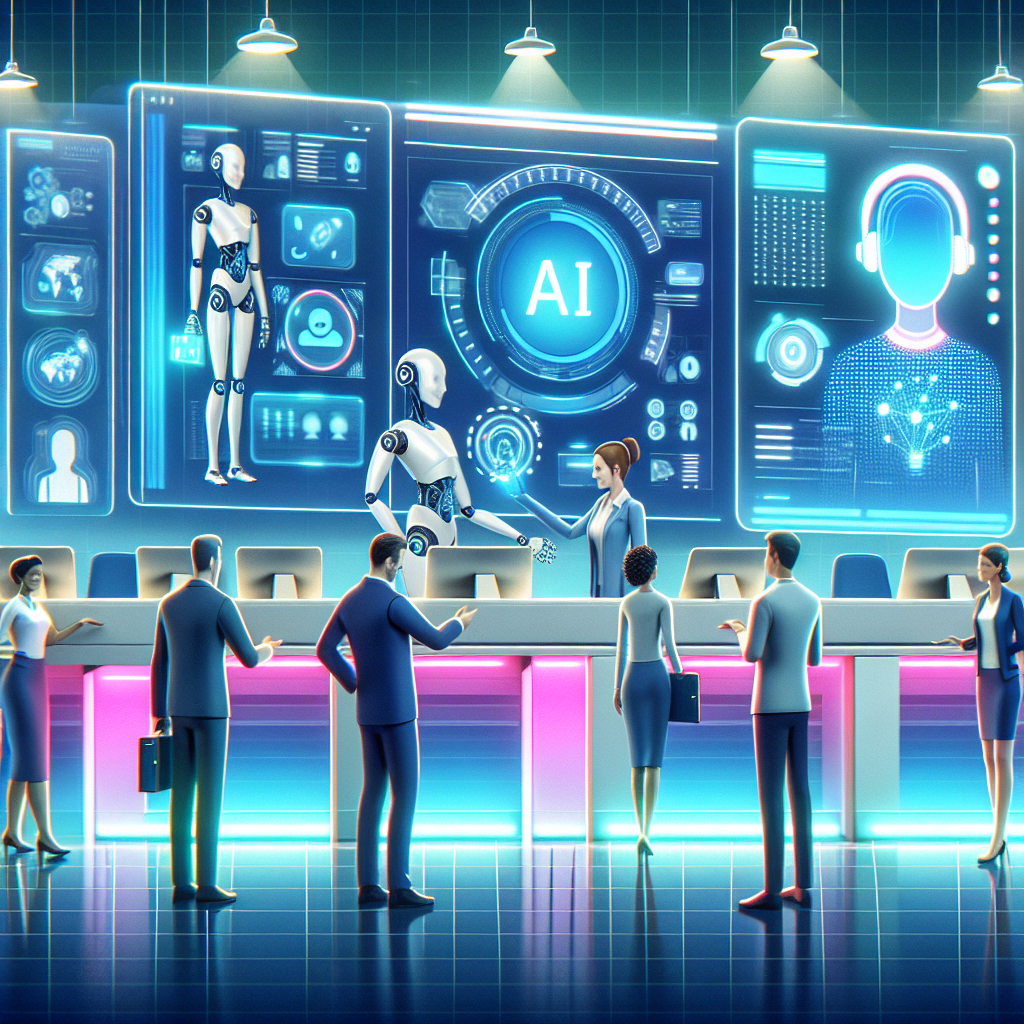
Welcome to the future, where artificial intelligence (AI) is transforming the way we interact with businesses. If you’re curious about how AI is reshaping customer service, you’re in the right place! In this blog post, we’ll explore the potential of AI in customer service, how it’s being implemented today, and what the future may hold. Let’s dive in! 🌟
Table of Contents
1. Introduction to AI in Customer Service
2. Current Applications of AI Technologies
3. Benefits of AI in Customer Service
4. Challenges and Considerations
5. The Future Outlook
6. Conclusion
7. FAQs
Introduction to AI in Customer Service
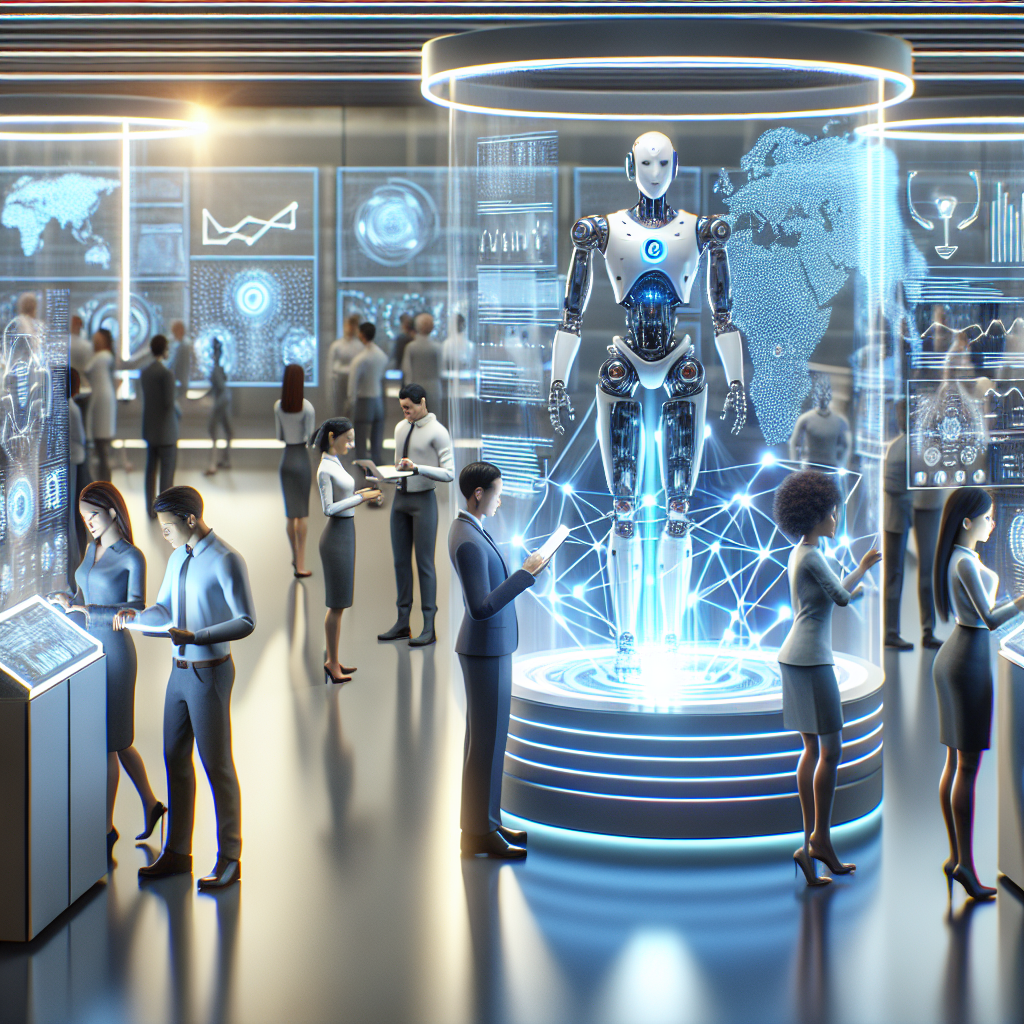
AI is no longer a concept confined to science fiction. It has become a crucial component in enhancing customer experiences. From chatbots to predictive analytics, AI helps businesses provide faster, more personalized service. But what exactly does this mean for you and the businesses you interact with daily? Let’s explore! 🚀
Current Applications of AI Technologies
AI is already making waves in customer service through various applications:
1. Chatbots and Virtual Assistants 🤖
These AI-powered tools handle customer inquiries 24/7, providing instant responses and freeing up human agents for more complex tasks. Think of them as your friendly, always-available helpers!
2. Predictive Analytics 📈
By analyzing data, AI can predict customer needs and behaviors, allowing businesses to offer proactive support. Imagine a company reaching out to solve a problem before you even knew you had one!
3. Sentiment Analysis 😊😡
AI can gauge customer emotions through text and voice analysis, helping companies tailor their responses and improve service quality.
Benefits of AI in Customer Service
So, what’s in it for you and the businesses you love? Here are some key benefits:
1. Enhanced Efficiency: AI handles repetitive tasks, reducing wait times and improving overall service efficiency.
2. Personalization: AI-driven insights allow for more personalized interactions, making you feel valued and understood.
3. Cost Savings: Businesses save on operational costs, which can lead to better pricing and services for customers.
Challenges and Considerations
While AI offers numerous advantages, it’s not without its challenges:
1. Data Privacy: With AI analyzing vast amounts of data, ensuring privacy and security is paramount.
2. Human Touch: Some customers still prefer human interaction, making it crucial to balance AI and human customer service.
3. Implementation Costs: Initial setup and maintenance can be costly for businesses, especially smaller ones.
The Future Outlook
The future of AI in customer service looks promising. As technology advances, we can expect even more sophisticated AI tools. Imagine virtual assistants that understand context as deeply as a human or predictive systems that anticipate needs with uncanny accuracy. The possibilities are endless! 🌈
Conclusion
AI is revolutionizing the customer service landscape, offering faster, more personalized, and efficient service. While there are challenges to address, the benefits are compelling. Embracing AI in customer service can lead to happier customers and more successful businesses. What’s not to love? 😊
FAQs
1. How does AI improve customer service?
AI enhances customer service by providing quick, accurate responses, personalizing interactions, and predicting customer needs.
2. Are chatbots replacing human customer service agents?
No, chatbots complement human agents by handling routine inquiries, allowing humans to focus on more complex issues.
3. Is my data safe with AI-based customer service?
Businesses must prioritize data security and privacy to ensure customer information remains protected.
4. How can small businesses benefit from AI in customer service?
AI can help small businesses by automating routine tasks, reducing costs, and providing insights for better customer engagement.
5. What are the future trends in AI for customer service?
Future trends include more advanced natural language processing, improved sentiment analysis, and seamless integration across platforms.