
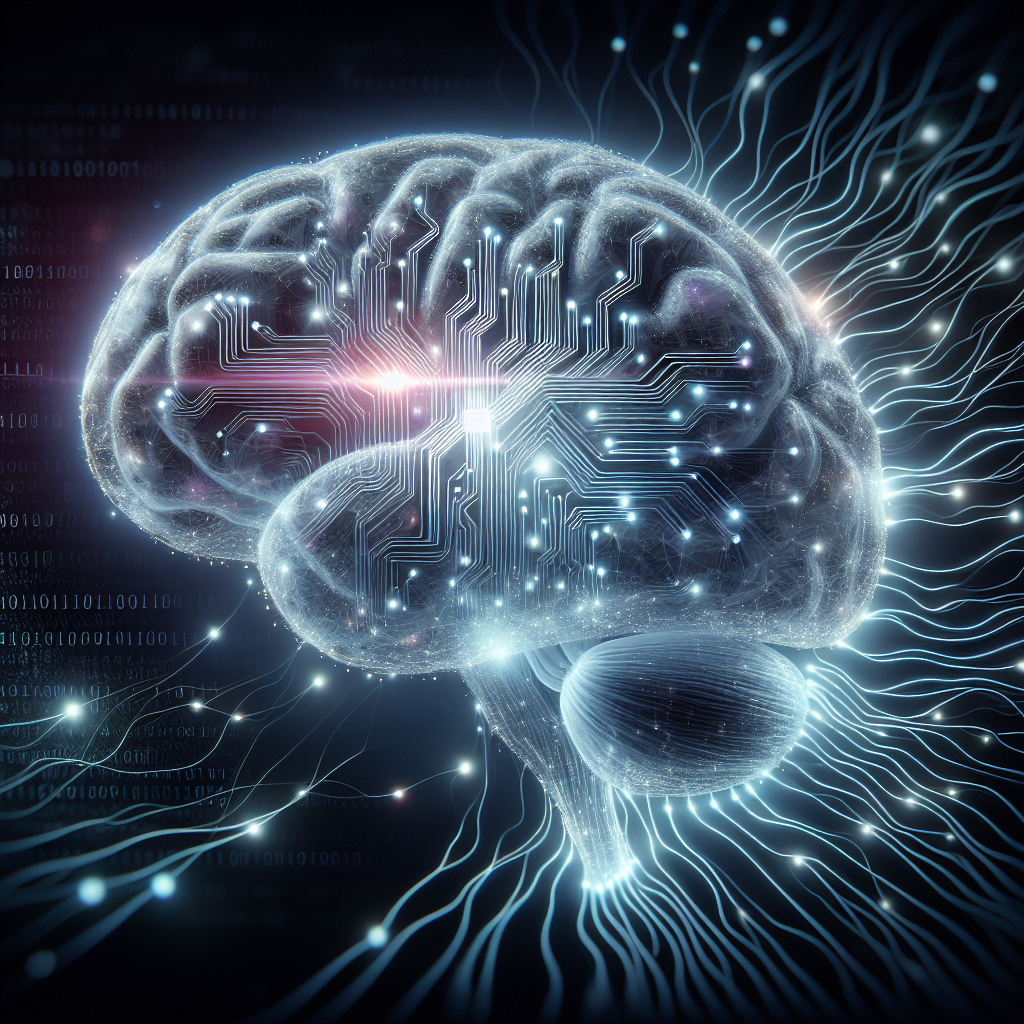
Cognitive Computing: Boosting Decision-Making Capabilities
In today’s fast-paced digital world, making informed decisions quickly can be the difference between success and failure. Enter cognitive computing—a technological marvel that’s reshaping how businesses and individuals approach decision-making. But what exactly is cognitive computing, and how can it enhance our decision-making skills? Let’s dive in! 🤖💡
Table of Contents
1. Introduction to Cognitive Computing
2. How Cognitive Computing Works
3. Enhancing Decision-Making Capabilities
4. Real-World Applications
5. Conclusion
6. FAQs
Introduction to Cognitive Computing
Cognitive computing is not just a buzzword; it’s a transformative technology inspired by the human brain’s ability to think, learn, and adapt. By mimicking these processes, cognitive computing systems aim to solve complex problems in a human-like manner, making them invaluable in decision-making scenarios.
How Cognitive Computing Works
At its core, cognitive computing combines artificial intelligence (AI), machine learning, natural language processing, and data analytics. These systems analyze vast amounts of data to identify patterns, learn from experiences, and make predictions. Think of it as a super-powered assistant that not only processes data but understands it contextually, much like an astute human advisor would.
Enhancing Decision-Making Capabilities
So, how does cognitive computing actually boost decision-making capabilities? Here are a few ways:
1. Data-Driven Insights 📊: Cognitive systems can process and analyze large data sets far beyond human capacity, providing actionable insights swiftly and accurately.
2. Predictive Analytics 🔮: With the ability to forecast trends and outcomes based on historical data, cognitive computing aids in strategic planning and risk management.
3. Personalized Solutions 🧩: By understanding and adapting to specific user needs and behaviors, cognitive systems offer tailored recommendations, enhancing decision accuracy and relevance.
Real-World Applications
The real magic of cognitive computing is evident in its diverse applications across industries:
Healthcare 🏥: From diagnosing diseases to personalizing treatment plans, cognitive computing is revolutionizing patient care.
Finance 💰: In the financial sector, these systems are used for fraud detection, investment analysis, and customer service enhancement.
Retail 🛍️: Retailers leverage cognitive computing to optimize supply chains, enhance customer experiences, and tailor marketing strategies.
Conclusion
Cognitive computing is not just a futuristic concept; it’s a present-day powerhouse that’s enhancing decision-making capabilities across various domains. By understanding and implementing cognitive technologies, businesses and individuals can make more informed, timely, and impactful decisions. So, are you ready to embrace the cognitive revolution? 🌟
FAQs
Q1: What is the main difference between AI and cognitive computing?
A1: While AI focuses on automating tasks and decision-making, cognitive computing aims to simulate human thought processes, providing contextual and nuanced insights.
Q2: Can small businesses benefit from cognitive computing?
A2: Absolutely! Cognitive computing can help small businesses optimize operations, improve customer engagement, and make data-driven decisions without needing large IT infrastructures.
Q3: Is cognitive computing safe and secure?
A3: Yes, with proper implementation and data privacy measures, cognitive computing systems are designed to be secure, ensuring that sensitive information is protected.
Ready to dive into the world of cognitive computing and unlock its potential for your decision-making processes? Let’s get started! 🚀