Using Scenario Modeling for Business Forecasting
In today’s ever-changing business landscape, predicting the future can feel like trying to catch a cloud with your hands. Yet, with scenario modeling, businesses can navigate uncertainty with more clarity and confidence. Let’s dive into how scenario modeling can revolutionize your business forecasting. 🚀
Table of Contents
1. What is Scenario Modeling?
2. Benefits of Scenario Modeling
3. How to Implement Scenario Modeling in Your Business
4. Real-World Examples
5. Conclusion
6. FAQs
What is Scenario Modeling? 🤔
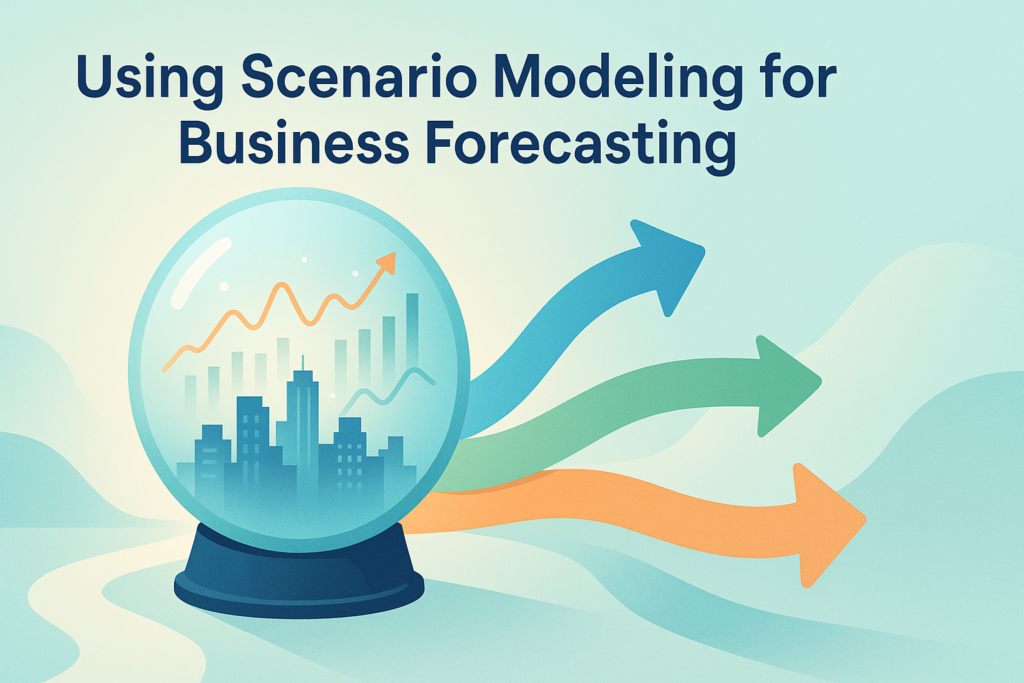
Scenario modeling is a strategic planning tool that helps businesses anticipate and prepare for future uncertainties. Instead of relying solely on historical data, it allows you to create a range of potential future scenarios based on different variables. Think of it as a “what-if” analysis on steroids, giving you a panoramic view of possible outcomes.
Benefits of Scenario Modeling 🌟
1. Enhanced Decision-Making: By exploring different scenarios, businesses can make informed decisions that are resilient to unexpected changes.
2. Risk Management: Identifying potential risks before they occur allows businesses to put safeguards in place, minimizing potential damages.
3. Strategic Agility: With a clearer vision of multiple futures, businesses can pivot strategies swiftly in response to external shifts.
How to Implement Scenario Modeling in Your Business 🛠️
Implementing scenario modeling doesn’t have to be daunting. Here’s a step-by-step guide to get you started:
Step 1: Define Key Drivers: Identify the main factors that could impact your business, such as economic trends, technological advances, or regulatory changes.
Step 2: Develop Scenarios: Create a range of plausible scenarios based on these drivers. Be creative but realistic; the aim is to cover a wide spectrum of possibilities.
Step 3: Analyze Impacts: Assess how each scenario could affect your business operations, finances, and strategy.
Step 4: Plan Responses: For each scenario, develop strategic responses or contingency plans to mitigate risks and seize opportunities.
Real-World Examples 📈
Take, for instance, a retail company facing the uncertainty of consumer behavior post-pandemic. By modeling scenarios where e-commerce grows, stagnates, or declines, the company can allocate resources effectively, ensuring they remain competitive regardless of the outcome.
Conclusion 🎯
Scenario modeling is more than just a forecasting tool; it’s a way of thinking that allows businesses to thrive amid uncertainty. By preparing for multiple futures, your business can stay ahead of the curve, making strategic decisions with confidence. So, why not give scenario modeling a try? Your future self will thank you!
FAQs 🤔
Q1: How often should businesses update their scenario models?
A: It’s recommended to review and update scenario models at least annually or whenever there’s a significant change in market conditions.
Q2: Can small businesses benefit from scenario modeling?
A: Absolutely! Scenario modeling is valuable for businesses of all sizes as it helps in preparing for uncertainties and making informed strategic decisions.
Q3: What tools are available for scenario modeling?
A: There are several software tools available, including Microsoft Excel, Crystal Ball, and more specialized software like Palisade’s @RISK.
Q4: Is scenario modeling the same as financial forecasting?
A: Not exactly. While financial forecasting often relies on historical data to predict future outcomes, scenario modeling considers a range of possible futures, making it broader in scope.